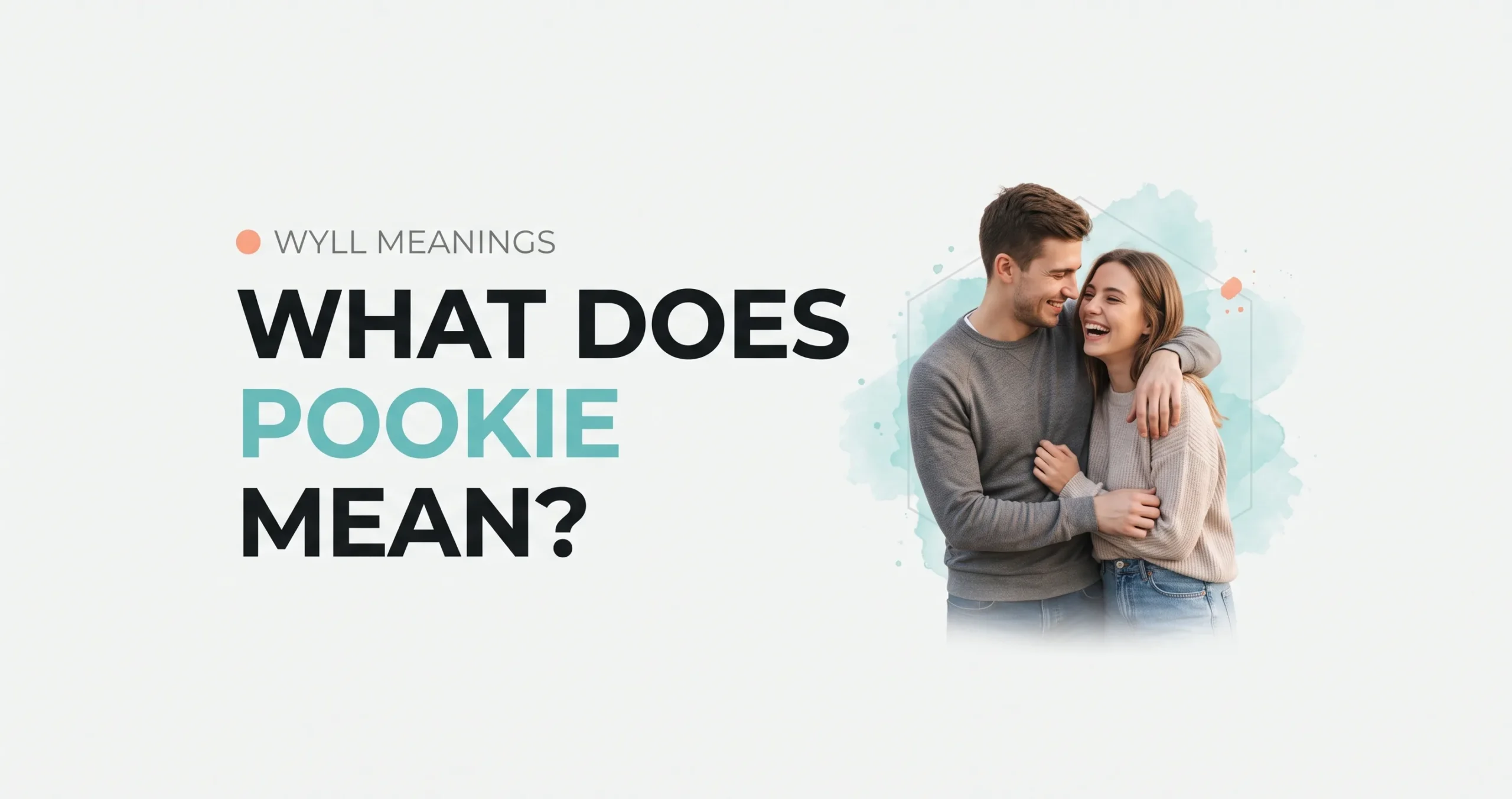
What Does Pookie Mean? The Real Story Behind the Word
Someone just called you “pookie” and now you’re stuck wondering if that’s sweet, silly, or something you should be worried about. The pookie meaning is simpler than the confusion suggests: it’s a term of endearment, a soft little nickname people use for someone they genuinely adore. This word has quietly worked its way into texts, DMs, and everyday conversation, and once you understand it, you’ll start noticing it everywhere.
You’re not overthinking it, and you’re definitely not alone. Parents, partners, and even total strangers on TikTok are asking the same question. This guide breaks down the pookie meaning, how it’s used as a pet name, why teens have embraced it online, and what it actually signals about closeness, affection, and modern digital communication. By the end, you’ll know exactly how to read it and how to use it yourself.
Table of Contents
What Does Pookie Mean?
The pookie meaning centers on affection: it’s a term of endearment used for a romantic partner, a best friend, a beloved pet, or even a child. According to Merriam-Webster, the word functions as an informal nickname signaling closeness, warmth, and emotional connection. It’s cute, casual, and carries zero professional-setting appropriateness, think “babe” or “sweetie” with more personality.
The phrase has surprisingly old roots. Print records trace pookie back to the mid-1960s as a general term of endearment, though it was used earlier as a specific nickname. Its recent resurgence traces to TikTok, where a viral couple’s videos turned the pet name into a full-blown internet culture moment, spawning memes, hashtags, and countless imitators using it the same affectionate way.
How Do You Use “Pookie” in a Sentence?
Using the pookie meaning correctly is easy once you see it in context: it slots into casual, affectionate sentences the same way “honey” or “babe” would. A friend might text “Can’t wait to see you later, pookie!” or a partner might say “You’re my favorite person, pookie,” and both land the same warm, familiar tone instantly.
The word works as a direct address or a descriptive noun, and both versions stay firmly in the territory of nickname and pet name usage. You could say “he’s my pookie” to describe a partner, or simply call out “hey pookie” as a greeting either way, the emotional undertone of fondness and camaraderie stays consistent across the sentence.
Nickname or Pet Name Which One Is “Pookie”?
Technically, pookie functions as both, and that dual identity is part of why the pookie meaning feels flexible. As a nickname, it replaces someone’s actual name in casual conversation between close friends or family. As a pet name, it carries a softer, more romantic connotation, usually reserved for a significant other or a genuinely cherished companion.
Context and tone decide which lane it falls into. A parent calling a toddler “pookie” is using it as an affectionate nickname, while a couple whispering “goodnight, pookie” leans into pet-name territory. The semantic overlap is intentional; the term of endearment was never meant to be rigidly categorized, just used with warmth.
It’s Also Often Used as a Pet Name or Term of Endearment for One’s Significant Other
Among romantic partners, the pookie meaning takes on its most common modern usage: a cute nickname exclusively reserved for the person you’re dating or married to. It’s the kind of pet name that shows up in relationship-status captions, anniversary posts, and everyday texting, replacing a first name almost entirely in private conversation.
This romantic-partner usage explains why the phrase feels so intimate. Calling your girlfriend or boyfriend “pookie” signals a level of comfort and playfulness that’s earned over time. It’s rarely used with acquaintances, which is exactly why receiving it from someone new can feel like an unexpected, flattering shift in the relationship.
“I Love You, My Pookie” Why the Phrase Feels So Personal
Pairing “pookie” with a direct declaration like “I love you” amplifies the emotional weight of the nickname, turning a casual pet name into something closer to a love language. This combination shows up constantly in captions, texts, and voice messages between partners, reinforcing the term of endearment as a stand-in for genuine affection rather than empty cuteness.
Real-world examples back this up: public figures have captioned social posts with lines like “my man, I love you pookie,” blending sincerity with playful tone. That mix is exactly what makes the phrase resonate: it’s silly enough to feel unserious, yet sincere enough to communicate real emotional connection.
What Pookie Means When a Teen Says It
For teenagers, the pookie meaning hasn’t drifted far from the adult usage. It’s still a term of endearment for a significant other, close friend, or pet but the frequency and platform are different. Teens use it constantly across group chats and social captions, often as a way to establish identity and belonging within their friend circle’s shared vocabulary.
Linguists note that slang like this helps younger users experiment with language and navigate social dynamics without sounding overly formal. When a teen calls a friend “pookie,” it’s rarely romantic; it’s closer to camaraderie, humor, and casual bonding, similar to how earlier generations used “buddy” or “pal” but with more online-culture flavor.
Pookie in Everyday Conversations
Outside of romance, the pookie meaning shows up constantly in ordinary daily texting between friends and family members. “Hey pookie, how was your day?” or “Come on pookie, you can do better than that” are both completely normal, non-romantic uses that lean on friendly teasing and affectionate familiarity rather than flirtation.
This everyday flexibility is exactly why the word spread so fast. It fills the same emotional space as “buddy,” “sweetheart,” or “honey,” but sounds fresher and more playful. People reach for it when a conversation needs a little warmth, whether that’s comforting a friend, greeting a sibling, or softening a joke between coworkers who are also close friends.
Pookie on Social Media Platforms
TikTok is where the modern pookie meaning really exploded, with couples, friend groups, and creators using the word in captions, comments, and viral trends until it became shorthand for adorable, relationship-goals content. Instagram and Snapchat followed quickly, with the term now appearing in bios, story replies, and comment sections across nearly every demographic.
This social-media amplification means the word now travels faster than traditional slang ever did. A single viral video can turn a niche nickname into a nationwide trend within days, which is exactly what happened here and it’s part of why searches for the pookie meaning spiked so dramatically in recent years. Texting slang overall moves fast; terms like WYLL (what you look like) follow a similar pattern of exploding on one platform before spreading everywhere else.
How to Talk With Your Kid About the Word Pookie
If your teenager is using “pookie” constantly and you’re unsure what it signals, the good news is that the pookie meaning is almost always harmless, a term of endearment for a friend, crush, or partner rather than anything concerning. Still, staying curious about the slang your kid uses keeps communication open and builds trust.
Try asking open, non-judgmental questions: “Who’s your pookie?” or “What’s a word you and your friends use that I might not know?” These conversations do double duty: they show genuine interest in your teen’s world while helping you stay fluent in fast-moving texting slang like pookie, WYLL, and whatever comes next.
Quick Reference: Pookie at a Glance
| Aspect | Detail |
| Core pookie meaning | Term of endearment / pet name / nickname |
| Who it’s used for | Partners, best friends, pets, children |
| Popular platforms | TikTok, Instagram, Snapchat, texting |
| Tone | Affectionate, playful, casual |
| Origin | Mid-1960s print usage; resurged via TikTok |
| Similar terms | Babe, honey, sweetheart, boo |
Conclusion
Understanding the pookie meaning really comes down to recognizing warmth when you hear it. It’s a small word doing a big emotional job replacing a name with something softer, funnier, and more personal, whether it’s coming from a partner, a best friend, or your own kid describing their group chat. Once you know the context, “pookie” stops being confusing and starts feeling like exactly what it is: an easy, low-stakes way of saying someone matters to you. Next time it lands in your inbox, you’ll know precisely how to read it and maybe how to send it right back.
FAQs
Author

Ethan Carter is a search engine optimization blogger focusing on web slang, text content abbreviations, and social media implications. He creates clean, accurate, and reader-friendly content backed by using thorough research. Its purpose is to help readers understand modern online language with reliable, flexible publications.